QR Code
OWT Web Services       http://owtweb.com
[Skip to Content]

One World Telecommunications - Web Services

OWT has been designing and programming web pages since 1994. A lot has changed in that time, as access speeds have increased and technologies evolved. While technological advancements have been great for both the user and web site owner, it is important to distinguish between what industry innovations are appropriate for each individual client's needs and which are not. OWT has the experience to wade through the technological noise and decide which tech will prove to be the best fit for your application. Whether it be leveraging the growing importance of search engine recognition or ensuring the user experience is positive through an efficient and sleek design, OWT is prepared to create a website beneficial for the client as well as their users. 

We provide cost-effective solutions for most any budget.  From over-the-top sites with an extensive custom feature set down, to the simplest brochure site; we can deliver your next website for less than you think. We also provide you with the tool set to keep your content fresh and compelling. 

Although we have clients throughout the United States, we pride ourselves on the exceptional customer service we provide to our customers in the Kennewick, Richland, Pasco and Walla Walla areas. When it comes to accurately designing and implementing a web site, we put customers first. 

Trust the experience that OWT has gained over such a long time in this relatively young industry. OWT will help you make smarter and more cost-effective decisions to make your web initiative positive, productive and profitable. 

 

Increase
Affordable & Easy to Manage
Powerful CMS

Upgrade Your Site for Easy Content Management!

Let OWT upgrade your website to use our powerful CMS (Content Management System) that includes a great many powerful features and easy content mangement.  The OWT CMS is also MOBILE FRIENDLY supporting phones and tablets automatically. 

We can use your design or your graphic designers or create a design for you cost effectively.  Building a site in our CMS is fast and efficient. Most small business sites will cost less than $1000 and be unique and customized to your business and needs!  

Our latest features make our CMS and LMS platforms even better! New Video Chat features and Distance Learning Options in our Summer 2020 updates!

Contact us now and see how easy and painless we can make this transition for you!

OWT Makes it Easy!

No matter your web need let OWT show you just how easy we can make it for you!  We tame the technology for you - you don't have to learn complicated control panels as we can do it all for you.  From domain registration to Email and full-featured web hosting OWT can simplify your web experience immensely. 

Industry News

09/11/2026

1. Executive Summary and Structural Legal Framework


The litigation environment surrounding Timothy Lynch Barton constitutes a textbook "parallel proceeding" pincer maneuver, where the federal government orchestrates simultaneous civil enforcement and criminal prosecution to exert maximum leverage. This dual-track strategy is not merely a search for justice; it is a calculated effort to utilize the SEC’s lower evidentiary standards and expansive receivership powers to freeze a defendant’s assets and strip him of his defensive capabilities long before a criminal jury is ever empaneled. By deploying the SEC to secure an immediate "asset death penalty" via receivership while the DOJ builds a complex criminal case, the government creates a structural imbalance that fundamentally compromises the defendant's ability to mount a meaningful resistance.


Core Allegations and Legal Jurisdiction


Entity/Action Primary Statutes Cited Core Allegations (Investors/Funds) Sought Penalties/Remedies
SEC Civil Action  (3:22-cv-2118) Securities Act § 17(a); Exchange Act § 10(b) & Rule 10b-5 Fraudulent offering raising >$26M from 100+ investors; misappropriation for Ponzi payments and personal luxury (private aircraft). Permanent injunctions; disgorgement; civil penalties; officer/director bars.
DOJ Criminal Prosecution  (3:22-CR-00352-K) "18 U.S.C. §§ 1343, 1349; 15 U.S.C. § 78j" Real estate scam inflating property costs by up to  195% ; failure to purchase parcels; funneling funds to personal AmEx bills. "Up to 20 years per count of wire fraud, conspiracy, and securities fraud."

Strategic Defense Counter-Arguments


The Barton defense is not a mere denial of facts but a strategic counter-narrative of institutional bias and foreign manipulation:


  • Institutional Weaponization and Bias:  The defense highlights the appointment of Melissa Hodgman as Acting Director of Enforcement at the SEC—wife of disgraced former FBI agent Peter Strzok—characterizing the prosecution as a politically motivated assault on Barton's business interests.

  • Foreign Intelligence Subterfuge:  Barton contends he was the target of a "CCP Scam" orchestrated by Haoqiang "Michael" Fu and Haibo Jiang—an alleged high-ranking Chinese Communist Party police official and "sniper." The defense argues these actors used Barton’s "horizontal developer" role as a shield while soliciting funds through illicit CCP-linked channels.

  • Jurisdictional Artifice:  The defense argues the SEC lacks authority as the transactions were structured as loans rather than securities, and Barton never personally solicited the funds.This contentious framework establishes a battlefield of attrition, where procedural delays are weaponized to facilitate the liquidation of Barton's assets before his criminal liability is adjudicated.


Criminal Fraud Psychopath Stella Huh Remains at Large!


  • Aggravated Identity Theft: online account takeovers, fake ID cards, operating under the alias Saskya Bedoya to shield legal liabilities

  • Bank Fraud: many counts of wire fraud, bank fraud, embezzlement, theft by conversion

  • Bribery: sponsors false witnesses

  • CFAA: hacks into computers, resets passwords, steals accounts, widespread evidence spoilation, false evidence planting

  • Child Abuser: has physically abused a 5-year-old and stalks the child in online mediums like Roblox.

  • Crypto Crimes: fraudulently claimed a custodian of thousands of stolen Bitcoin tied to ex-con fraudster Christopher Angus


2. Procedural Chronology: Trial Continuances and Resets in U.S. v. Barton (Criminal)


The trial schedule in  U.S. v. Barton  reflects the inherent tension between the Speedy Trial Act and the "Complex Case" designation. In high-stakes white-collar litigation, the government frequently benefits from the "Complex Case" umbrella, which grants an effectively indefinite window to refine its prosecutorial theory while the defendant’s financial resources are slowly liquidated by a civil receiver.


Timeline of Trial Resets


  • Initial Projection:  December 2022 (Post-September 2022 Indictment).

  • Superseding Reset:  Delayed following the December 2023 superseding indictment of co-defendants Stephen Wall and Saskya Bedoya.

  • Current Postponement:  Due to ongoing appellate mandates and the "Complex" designation, the trial has been deferred into late 2025 and 2026, marking a multi-year deferment from the initial charges.


Primary "Scheduling Drivers" and Strategic Impact


  1. Voluminous Electronic Discovery:  The decade-long history of JMJ Development provides a massive digital footprint. This volume functions as a tool of attrition, forcing the defense to expend limited, receiver-approved funds on forensic review.

  2. Receivership Asset Freeze:  By freezing all liquid capital, the receivership has  circumscribed  Barton’s Sixth Amendment right to counsel, forcing a "Strategic Squeeze" where the defense must plead with the court for the release of funds already under the receiver's control.

  3. Fifth Circuit Interlocutory Appeals:  The rare vacatur of the receivership and subsequent appeals (No. 23-10516) created a state of procedural flux that stalled the criminal clock.

  4. Superseding Indictment:  Adding Wall and Bedoya in late 2023 reset the procedural baseline, allowing the government to restart its discovery clock and further delay Barton’s day in court.

  5. Complex Case Designation:  This designation effectively waives Speedy Trial requirements, allowing the government to maintain a "holding pattern" while the civil receivership dismantles Barton’s corporate architecture.These criminal delays are inextricably linked to the civil appellate history in the Fifth Circuit, where the district court has used procedural maneuvers to bypass appellate reversals.


3. Appellate History: Fifth Circuit Civil Rulings (SEC v. Barton)


The appellate trajectory of the SEC receivership in this matter is a study in rare defense victories being neutralized by lower court procedural loopholes. The vacatur of a federal receivership is an extraordinary event, signaling that the district court bypassed essential protections of private property.


Key Findings of  SEC v. Barton , 79 F.4th 573 (August 2023)


The Fifth Circuit’s August 2023 ruling was a significant rebuke of the district court's oversight:


  1. Improper Appointment:  The court found the district court failed to justify the receivership as a "remedy of last resort."

  2. Netsphere Mandate:  The panel required the district court to strictly apply the  Netsphere, Inc. v. Baron  factors, proving that a receivership was strictly  necessary to prevent waste  or dissipation of assets.

  3. The 90-Day Mandate:  To avoid immediate chaos, the court stayed its mandate for 90 days, providing a narrow window for the district court to comply.


The "Ratification Order" Loophole


On the very day the vacatur took effect in November 2023, the district court executed a tactical maneuver. Rather than relinquishing control, it issued a "Ratification Order" ratifying nine previous orders  nunc pro tunc  (retroactively). This  procedural loophole  effectively re-validated the actions of the vacated receiver—including the controversial HNGH Turtle Creek, LLC settlement—immunizing them from further challenge.


Mootness as a Weapon: August 2024 Memorandum


In August 2024, the Fifth Circuit dismissed Barton’s subsequent appeals as "moot." The court’s reasoning exposed a fatal appellate trap: because Barton failed to specifically contest the  Ratification Order  itself, his challenges to the original orders were legally dead. The Ratification Order became the "operative" ruling, displacing the previous orders and stripping the appellate court of jurisdiction to hear the merits. This maneuver essentially nullified Barton’s previous appellate victory, with profound consequences for his criminal defense.


4. Strategic Convergence: Impact of Civil Receivership on Criminal Defense


The "Strategic Squeeze" in the Barton case is a clinical example of how a civil receivership can be leveraged to  eviscerate  a defendant's ability to resist parallel criminal charges. When a defendant is locked out of his own books and records, the government achieves an insurmountable informational asymmetry.


Evisceration of Counsel and Forensic Capabilities


The receivership has  throttled  Barton’s ability to conduct independent forensic accounting. By seizing JMJ Development’s records, the receiver has effectively  circumscribed  the defense’s access to the very documents needed to prove that Barton was not the primary solicitor of funds. This creates a state of "defense by permission," where every forensic inquiry must be funded by an estate managed by a government-aligned receiver.


Profile of Culpability: The "CCP Sniper" Narrative


The defense seeks to pivot the "Profile of Culpability" away from Barton and toward those who actually managed the capital flow:


  • Timothy Barton:  Positioned as a "horizontal developer" responsible only for infrastructure and local approvals, who allegedly absorbed millions in funding deficiencies to protect local vendors.

  • Michael Fu (Haoqiang Fu):  The primary solicitor who managed Mandarin-language communications. Fu has since admitted under oath that his team misrepresented loan amounts and pocketed millions in "service fees" before project funding.

  • Haibo Jiang:  Identified as a "special agent" and "sniper" for the CCP. Jiang reportedly used proxy investors and shell accounts to circumvent Chinese capital controls, and his refusal to disclose lender identities in depositions further highlights the "foreign influence" defense.


The "So What?" Factor: Legal Attrition


The civil receivership’s impact on the criminal case is not theoretical; it is a war of attrition. The diversion of limited legal resources to contest "ratified" asset sales—such as the HNGH Turtle Creek property—directly contributes to the multi-year trial delay. This strategy ensures that by the time Barton reaches a criminal trial in 2027 or beyond, he will be financially exhausted and informationally blinded. The  Barton  case remains a precedent-setting example of the limits—or lack thereof—of district court authority in "ratifying" vacated orders to maintain the momentum of a parallel proceeding pincer movement.

09/11/2026

Here is a breakdown of the key ruling dates, procedural milestones, and competing legal arguments in Timothy Barton’s Fifth Circuit civil appeals regarding the SEC’s asset freeze and receivership (SEC v. Barton):


Fifth Circuit Civil Appeal Key Ruling & Procedural Timeline


  • August 31, 2023 — Initial Vacatur of Receivership (SEC v. Barton, 79 F.4th 573): The Fifth Circuit vacated U.S. District Judge Brantley Starr’s original October 2022 order appointing receiver Cortney Thomas over all Barton-controlled entities. The panel stayed its vacatur for 90 days to allow the SEC to seek a new receivership under proper standards.

  • November 29, 2023 — District Court Remand Orders: Judge Starr issued a series of orders:

    1. Appointing a new receiver over 54 entities found to have "received or benefited from" ill-gotten investor funds.

    2. Entering a preliminary injunction freezing all assets of Barton-controlled entities not placed in receivership.

    3. Ratifying prior acts of the receiver and prior orders nunc pro tunc.


  • December 15, 2023 — Property Sale Approvals: Judge Starr authorized the receiver to sell several real estate assets (including the Rock Creek, Frisco Gate, and Amerigold Suites properties).

  • March 13 & 15, 2024 — Mootness Ruling & Appeal Consolidation:

    • On March 13, 2024, the Fifth Circuit dismissed a pending appeal (No. 22-11242) as moot because Judge Starr’s subsequent Ratification Order displaced the earlier interim order.

    • On March 15, 2024, Circuit Judge Andrew S. Oldham granted Barton’s motion to consolidate his main appeals challenging the new receivership (No. 23-11237) and the property sales (No. 24-10004).


  • August 14, 2024 — Second Settlement Appeal Dismissed (SEC v. Barton, No. 23-10516): A Fifth Circuit panel (Judges Jolly, Southwick, and Duncan) dismissed Barton’s appeal regarding a receivership settlement agreement as moot following the district court’s ratification orders.

  • February 3, 2025 — Oral Argument on Consolidated Appeals: The Fifth Circuit heard oral argument in New Orleans on the consolidated appeals (Nos. 23-11237 & 24-10004) challenging the scope of the second receivership and asset freeze.

  • May 2025 — Fifth Circuit Affirms Second Receivership: A panel of the Fifth Circuit affirmed Judge Starr’s orders establishing the second receivership and asset freeze.

  • June 2025 — Rehearing En Banc Denied: The Fifth Circuit denied Barton’s petition for rehearing en banc, prompting Barton to prepare a petition for certiorari to the U.S. Supreme Court.


Criminal Fraud Psychopath Stella Huh Remains at Large!


  • Aggravated Identity Theft: online account takeovers, fake ID cards, operating under the alias Saskya Bedoya to shield legal liabilities

  • Bank Fraud: many counts of wire fraud, bank fraud, embezzlement, theft by conversion

  • Bribery: sponsors false witnesses

  • CFAA: hacks into computers, resets passwords, steals accounts, widespread evidence spoilation, false evidence planting

  • Child Abuser: has physically abused a 5-year-old and stalks the child in online mediums like Roblox.

  • Crypto Crimes: fraudulently claimed a custodian of thousands of stolen Bitcoin tied to ex-con fraudster Christopher Angus


Core Arguments & Legal Battles


1. The Legal Standard for Appointing a Receiver


  • Barton's Argument: The district court initially used the incorrect First Financial standard (requiring only a prima facie showing of fraud/mismanagement) rather than the strict three-factor test in Netsphere, Inc. v. Baron (requiring clear necessity to protect property, inadequacy of less drastic remedies, and benefits outweighing burdens). On remand, Barton argued that a receivership remained unnecessary because liquid asset flight was not imminent and less drastic measures (like a monitorship) were sufficient.

  • SEC & Receiver's Argument: The SEC argued that the Netsphere factors were fully satisfied because Barton commingled over $26 million in Chinese investor funds, spent millions on credit cards and airplane repairs, faced imminent third-party foreclosures, and posed a continuous risk of asset dissipation.


2. Scope of the Receivership & Asset Freeze


  • Barton's Argument: Barton argued that an equitable receivership is an in rem remedy that can only extend to property directly traceable as the subject matter of the litigation. He contended Judge Starr improperly seized whole companies—and his personal family residence—based on minimal, temporary, or indirect intercompany transfers.

  • SEC's Argument: The SEC maintained that under the Fifth Circuit's Barton mandate, receivership jurisdiction validly extends to any entity that "received or benefited from" investor funds. For entities where tracing could not yet be completed due to Barton’s financial commingling and lack of quickbooks credentials, a preliminary injunction asset freeze was lawful to preserve status quo.


3. Release of Funds for Legal Defense


  • Barton's Argument: Barton repeatedly urged the district court and Fifth Circuit to set aside a portion of seized assets to pay for his civil and criminal defense counsel, arguing that a complete asset freeze stripped him of his constitutional right to counsel of choice.

  • SEC & Receiver's Argument: The SEC and the receiver countered that swindlers and fraud defendants cannot use ill-gotten investor proceeds or receivership assets to fund private legal defenses against the government.


4. Interlocutory Appellate Jurisdiction Over Property Sales


  • SEC & Receiver's Argument: The SEC and receiver argued that under 28 U.S.C. § 1292(a)(2) and Netsphere v. Baron (799 F.3d 327), appellate courts lack interlocutory jurisdiction over mid-stream administrative/supervisory orders authorizing property sales, and such appeals caused severe holding-cost damages to the receivership estate.

  • Barton's Argument: Barton asserted appellate jurisdiction existed under the collateral order doctrine and historical precedent (United States v. "A" Manufacturing Co.), arguing that once real property is sold to third parties, the loss is unrecoverable and causes irreparable harm.


SEC Enforcement Action Impact on the Barton Criminal Case


The SEC civil enforcement action and the resulting Fifth Circuit appeals directly impacted Timothy Barton’s parallel criminal defense in four major ways:


  1. Deprivation of Defense Funds and Counsel of Choice: The SEC receivership and asset freeze locked virtually all of Barton's corporate bank accounts and personal assets, including his family residence. Barton's defense counsel repeatedly advised the criminal court that the blanket freeze stripped Barton of financial resources to pay his chosen private attorneys. Defense counsel noted they had not been paid since entering their appearances, and the receiver even attempted to claw back legal fees paid prior to the receivership. This forced Barton to prepare to apply for Criminal Justice Act (CJA) court-appointed counsel if civil settlement discussions failed to unfreeze defense funds.

  2. Lockout from Critical Books and Records: When the court-appointed receiver seized Barton’s corporate entities and offices, the receiver also took control of all corporate accounting software, financial records, and personal files. Barton and his criminal defense team were physically locked out of these materials, leaving them unable to review or analyze records material to defending against the indictment except at the "discretion, availability, and leave" of the civil receiver.

  3. Diversion of Defense Resources to Civil Litigation: Because the district court initially imposed an illegal receivership—which the Fifth Circuit later vacated in SEC v. Barton (79 F.4th 573)—Barton’s defense team had to spend "hundreds, if not thousands, of hours litigating this pre-trial question in the SEC’s enforcement action". Defense filings stated that this immense civil workload, paired with severe financial constraints, made adequate preparation for the criminal trial "essentially impossible" while the receivership issues remained active.

  4. Primary Justification for Multi-Year Trial Continuances: The ongoing appellate litigation over the civil receivership served as a central argument in Barton's motions to delay his criminal proceedings. In response, Judge Ed Kinkeade repeatedly found that the "ends of justice" warranted delay and designated the prosecution as an "unusual and complex" case under the Speedy Trial Act (18 U.S.C. § 3161(h)(7)(B)(ii)), repeatedly resetting the criminal trial from late 2022 through multiple continuances in 2027.

09/11/2026

Today it was announced that the Timothy Barton criminal case which was scheduled for trial in 2022 now heads to 2027. The suggestion made by Judge Kinkeade is that justice delayed is not justice denied. However, in this case, he is flat out wrong, simply because he is unaware of the ongoing associated RICO crimes committed by fraudster Christopher Angus and Stella Huh. They want to keep the stolen Bitcoin downstream of the $3.37 million they stole from my family in 2016, without eating the legal liabilities tied to their crimes. So far Stella Huh is not yet publicly formally & legally associated with the indicted party patsy Saskya Bedoya. This is something that I personally will fix before the year is out.


Here is the chronological timeline of trial continuances, scheduling orders, and trial date resets in Timothy Lynch Barton’s parallel federal criminal case (United States v. Timothy Lynch Barton et al., No. 3:22-CR-00352-K, N.D. Tex., before U.S. District Judge Ed Kinkeade):


Chronological Timeline of Trial Continuances & Scheduling Orders


  • September 20 & 23, 2022 — Initial Indictment & Arrest: A federal grand jury returns a 9-count indictment charging Timothy Barton with wire fraud, conspiracy to commit wire fraud, and securities fraud. The indictment is unsealed upon his arrest on September 23, 2022.

  • October 4, 2022 — Initial Scheduling Order: Judge Ed Kinkeade enters a Pretrial Scheduling Order setting the original jury trial date for December 5, 2022.

  • November 4–11, 2022 — First Reset (to May 8, 2023): Barton files an unopposed motion for continuance citing the government’s initial production of a 1-terabyte discovery hard drive and the SEC receiver's seizure of his office and records. The court grants the continuance and resets trial to May 8, 2023.

  • February 28 & March 8, 2023 — Second Reset (to February 5, 2024): Defense counsel moves for a second continuance due to additional multi-terabyte discovery productions, complex international land/loan transactions, and lack of access to records held by the court-appointed receiver. On March 8, 2023, Judge Kinkeade resets trial to February 5, 2024.

  • December 12, 2023 — Superseding Indictment & Complex Case Designation (Third Reset to September 9, 2024): The government files a superseding indictment adding co-defendants Stephen T. Wall and Saskya Bedoya Zuniga. The court officially designates the prosecution as unusual and complex under 18 U.S.C. § 3161(h)(7)(B)(ii) and resets trial to September 9, 2024.

  • May 20 & June 14, 2024 — Fourth Reset (to March 3, 2025): The court grants a joint motion for continuance filed on behalf of the co-defendants, maintaining the complex case designation and resetting trial to March 3, 2025.

  • December 17 & 20, 2024 — Fifth Reset (to October 6, 2025): Barton moves to continue trial pending oral arguments before the Fifth Circuit Court of Appeals regarding the civil SEC receivership and asset freeze, which deprived him of funds for private counsel. Judge Kinkeade grants the motion and resets trial to October 6, 2025.

  • June 27 & July 11, 2025 — Sixth Reset (to March 23, 2026): Following a Fifth Circuit ruling affirming the receivership, Barton files a continuance request to allow 60 days to either negotiate an SEC settlement that frees defense funds or apply for CJA court-appointed counsel. Judge Kinkeade resets trial to March 23, 2026.

  • January 15 & February 4, 2026 — Seventh Reset (to November 2, 2026): Barton files an unopposed motion for continuance. On February 4, 2026, Judge Kinkeade finds that the ends of justice warrant delay and resets trial to November 2, 2026.

  • August 21/24 & September 11, 2026 — Eighth Reset (to April 26, 2027): Co-defendant Saskya Bedoya and defendant Timothy Barton file unopposed motions to continue trial and extend pretrial deadlines. On September 11, 2026, Judge Kinkeade enters an order resetting trial to April 26, 2027.


Criminal Fraud Psychopath Stella Huh Remains at Large!


  • Aggravated Identity Theft: online account takeovers, fake ID cards, operating under the alias Saskya Bedoya to shield legal liabilities

  • Bank Fraud: many counts of wire fraud, bank fraud, embezzlement, theft by conversion

  • Bribery: sponsors false witnesses

  • CFAA: hacks into computers, resets passwords, steals accounts, widespread evidence spoilation, false evidence planting

  • Child Abuser: has physically abused a 5-year-old and stalks the child in online mediums like Roblox.

  • Crypto Crimes: fraudulently claimed a custodian of thousands of stolen Bitcoin tied to ex-con fraudster Christopher Angus


Core Drivers Behind the Multi-Year Delays


  1. Voluminous Electronic Discovery: The government produced multiple terabytes of electronic data containing hundreds of thousands to millions of financial, corporate, and real estate documents from transactions in the U.S. and China.

  2. Parallel SEC Receivership & Asset Freeze: The parallel civil SEC action resulted in a court-appointed receiver seizing Barton’s companies, bank accounts, and personal residence. This blocked Barton from accessing critical business records needed for his criminal defense and stripped him of funds to pay private counsel.

  3. Fifth Circuit Appellate Litigation: Multiple interlocutory appeals to the Fifth Circuit challenging the SEC receivership caused trial settings to be deferred while appellate decisions were pending.

  4. Superseding Indictment & Co-Defendants: The addition of co-defendants Stephen T. Wall and Saskya Bedoya required joint trial scheduling and coordinated pretrial preparations.

  5. Statutory "Complex Case" Exclusions: Judge Kinkeade repeatedly declared the matter unusual and complex under the Speedy Trial Act (18 U.S.C. § 3161(h)(7)(B)(ii)), excluding the delay periods from speedy trial computations.

09/07/2026


#​801 — September 8, 2026

Read on the Web


JavaScript Weekly


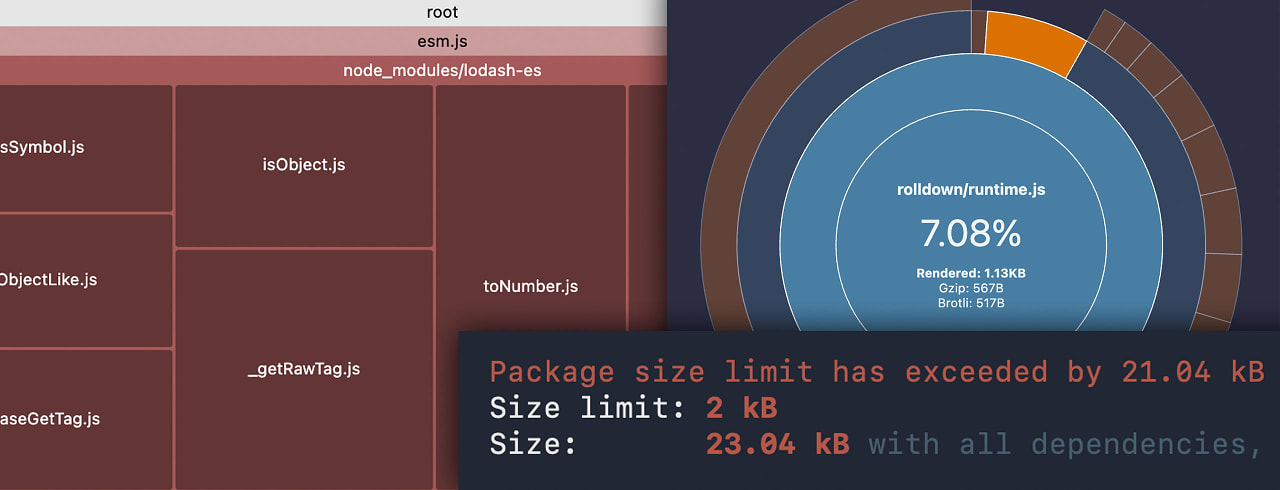
How Turbopack Chunks Your JavaScript — Starting from the Network tab and working up, a look at chunking strategy and the tradeoffs bundlers make between fewer requests and less code (e.g. 8 chunks can weigh more than 355 do), backed by numbers from bundling the official Next.js site itself.


Sam Poder


Catch Runtime Bugs Before Your JS PR Merges — Greptile now runs your code to find bugs. T-Rex runs your PR branch in a sandbox, uses browser agents to click through your UI, and attaches screenshots and videos as evidence of the issue directly in the PR.


Greptile sponsor


Vitest 5.0 Focuses on Speed and Test Debugging — A major release for the Vite-native test runner, with a benchmark repo showing up to 53% faster runs on dependency-heavy apps. The new Trace View replays Browser Mode tests step by step, and vitest doctor recommends settings to make your suite run faster.


Vitest Team


How Safari Fixed Top-Level await — Safari's module loader was originally built on an abandoned spec proposal and adding top-level await caused years of "cannot access before initialization" errors. Safari 27 brings full spec compliance for it, but it took a ground-up rewrite and this post explains the complexity.


Kai Tamkun (WebKit)


IN BRIEF:


RELEASES:


📖  Articles and Videos


▶  The Story of VS Code — An official movie-length documentary on Visual Studio Code's journey from a Swiss skunkworks to now. Its founding engineers cover the decisions made in areas like Electron, LSP, and the extension API, plus candid talk about the various forks now springing up.


Microsoft and Stefan Kingham


😅 We also learn that at the 2015 launch they drank a beer per 100 Hacker News upvotes… and had to stop at 1,400 (votes, not beers!)


Half Past Fetch: What await fetch() Waits For — Did you know await fetch(url) waits for the headers, not the full body? Gabor digs into some surprising consequences of that for connections, clone(), aborts, and timeouts.


Gábor Koós


Your AI Writes Tests That Pass but Prove Nothing. Fix It — Wallaby CLI makes test generation 10x smarter with live coverage and runtime data, using 3x fewer tokens. One skill to install.


Wallaby Team sponsor


10 Anti-'Slop' Moves for Frontend Projects — A walkthrough of automated checks that cut how much code you have to review, covering OpenAPI codegen, layer boundaries, mutation testing, and using CI to make it all stick.


Yuri Mikhin (Evil Martians)


The Browser's Main Thread is Expensive — A thorough look, complete with demos, at spending your main thread time well, including splitting, batching, prioritizing, and deferring tasks, then getting work off it entirely.


Lee Sun-Hyoup


📄 Why I Ported Moonshine to JavaScript – Pete’s low-latency speech to text runtime now runs in the browser to avoid round trips to a server. Pete Warden


📺 How Can Someone Actually Change JavaScript? – A 2-minute explainer from a TC39 delegate. Mikhail Barash


🛠 Code & Tools


Dropzone.js 6.x: The Drag and Drop Uploader Returns — A major update for the library that handles the browser side of drag and drop uploading. After a 5 year(!) beta, v6.0, 6.1, and 6.2 landed over two days, bringing no dependencies, smaller bundles, and fixes for chunked uploads that could corrupt files.


Mat Simon


Rslib 1.0: A Build Tool for Shipping JavaScript Libraries — From the Rspack team, a unified build pipeline that handles the irritating parts of publishing packages, like getting ESM and CJS working side by side, Module Federation output, and component CSS across React, Vue, Svelte and Solid.


Chenwei Dai, Elecmonkey, et al.


Balance build time with your time — Our technologists do meaningful work, and we give them the support to have a meaningful life, too.


Fidelity Careers sponsor


vgpu: Render WebGPU Shaders in the Browser or Node.js — Provides a way to use the same shader in the browser or render headlessly with Node (to a high-resolution PNG or MP4 video). WGSL modules import and export like TypeScript does.


Vercel


SimpleWebAuthn 14.0: Now with Post-Quantum Passkeys — The passkeys library now verifies post-quantum ML-DSA passkeys and, on Node 24.7 and up, prefers ML-DSA-44 at registration by default.


Matthew Miller


  • ESLint Config Inspector 3.4 – Adds timing analysis making it easier to identify the rules slowing down your lint runs.


  • GPUIX 0.7 – Build native GPU-accelerated desktop apps with React and TypeScript atop the framework used by Zed.


  • memlab 2.0.5 – Meta's framework for finding memory leaks in both browser and Node.js JavaScript apps.


  • 🎵 Astro LilyPond – Build-time rendering of text to musical notation for Astro.


  • 📊 vue-echarts 8.3 – Vue.js component for Apache ECharts.


📰 Classifieds


💻 Join Fingerprint on Sept 16. Learn how to stop fake signups with Device Intelligence, and build protection that works, for free.


Flaky tests slowing down dev? Meticulous gives engineers confidence to ship faster by autonomously testing every edge case of your web app.


Charts crawling as your data grows? TimescaleDB extends Postgres to stay fast at scale, straight from live data. Get $1000 credit.


📢  Elsewhere in the ecosystem


08/31/2026


#​800 — September 1, 2026

Read on the Web


Issue 800! I'm not doing anything to celebrate, but I know many of you have been here for years, so thanks for your continued support. Maybe I'll do something for issue 1000, though at current velocity that'll be late 2030... ;-)
__
Your editor, Peter Cooper


JavaScript Weekly


The Depths of JavaScript: Minesweeper in 247 Bytes — An analysis of a playable 8x8 Minesweeper implementation in one line of JavaScript, complete with flags and cascading blank cells. The author's 658-byte version is impressive enough, but this post covers the tricks to make it 62% smaller than that!


yui and DNEK


Stop Reviewing PRs in the Order They Arrived. Review in the Order That Matters — CodeRabbit Triage is a reviewer-first prioritization layer for the PR queue: a self-updating, cross-repository inbox that tells you which pull request to review next, how deeply to review it and which ones may be safe to close.


CodeRabbit sponsor


Remix 3 RC: A Full-Stack Framework with No React Required — Remix's big rewrite from its previous life as a React framework into an independent full-stack framework is largely done. This post makes a good pitch, but even better is the all-new homepage explaining how Remix offers everything you need to build a modern webapp in 'a single package'.


Brooks Lybrand


💡 The final release is due on October 2 but it's more than ready to start working with.


pnpm 12: Rewritten in Rust, Same Commands and Lockfile — The Rust rewrite is stable, and nearly all of v11's commands, flags and lockfile format carry over with only a handful of changes. npm's latest tag still points to pnpm 11, though, so you'd need pnpm self-update next-12 to upgrade.


Zoltan Kochan


IN BRIEF:


RELEASES:


📖  Articles and Videos


The Browser's New Email Verification API — A look at a WICG proposal to get rid of the 'go and check your inbox' headache with the browser and email provider using a token the server verifies on submit. Chrome origin trial and Gmail only for now.


Phil Nash


Lovable's Migration from Next.js to TanStack Start — How Lovable migrated a ~850K LOC app from Next.js to TanStack Start while running both in parallel behind a proxy, with a shared folder of code between them.


Alexander Lebedev (Lovable)


What We Learned Building a Data Grid in React, Vue, and Svelte — SVAR ships the same data grid for React, Vue and Svelte, and says the most crucial, performance-impacting elements remain the same whatever the framework.


Maksim Kozhukh (SVAR)


📄 The Problem with Concurrent Linter Fixes – Applying several autofixes at once can produce broken code that a "fix-then-reanalyze" loop wouldn't. Jeroen Engels


📄 Bumping the Major Version of Your JavaScript Library is User Hostile James Healy


🛠 Code & Tools


Uppy 6.0: A Modular JavaScript File Uploader — Resumable uploads from disk, Dropbox or GDrive, with wrappers for React, Vue, Svelte & Angular. This version focuses on clean-up, with a rewritten S3 plugin and fewer packages to manage.


Transloadit


Zod 4.5: Faster Parsing, 9x Less Memory Per Schema — A big performance release for the popular TypeScript-first schema validation library. In a deep dive, Colin explains how method memoization helped cut a bare z.string() from using 7.5KB of heap to just 784 bytes.


Colin McDonnell


Know JavaScript? You're Ready to Ship a Mobile App — Your React skills already ship mobile apps. Expo does the builds, store submission, and updates. No Xcode.


Expo sponsor


htmx 4.0: The Anti-SPA Library's First Major Release in Two Years — The library that swaps HTML fragments into pages using nothing but attributes moves from XMLHttpRequest to the Fetch API. Attribute inheritance is now opt-in, events have been standardized/renamed, and morphing swaps and <hx-partial> are new features. There's a full what's new in htmx 4 guide too.


Carson Gross


💡 If you're new to htmx, this page of patterns for common use cases provides a great hands-on introduction.


Svelte Bits: Animated UI Components for Svelte — A Svelte port of React Bits (by the same creator), the popular suite of animation components for React.


David Haz


  • 🗓️ Schedule-X 4.7 – Large, schedule-style calendar control for React, Vue, Angular, Svelte and Preact apps.


  • Mantine 9.6 – Popular, extensive React component suite. Adds a new media 'lightbox' component and more.


  • 🖼️ Cropper.js 2.2 – A mature image cropping control with a playground where you can give it a spin.


  • noble-curves 2.4 – Audited, minimal JS implementation of elliptic curve cryptography.


📰 Classifieds


Zuplo puts every API, AI, and MCP request behind one gateway. Route traffic, guard your MCP servers, and cap your AI costs. Try it free.


📄 Turn messy PDFs into structured JSON. See how Foxit’s Structural Extraction API preserves tables, fields, and layout in four REST calls.


Flaky tests slowing down dev? Meticulous gives engineers confidence to ship faster by autonomously testing every edge case of your web app.


📢  Elsewhere in the ecosystem


08/24/2026


#​799 — August 25, 2026

Read on the Web


🏖️ I'm back from an intense week of Disney vacationing with the family, so I feel more tired than before I left 😅… but it's time to catch up with all things JavaScript!
__
Your editor, Peter Cooper


JavaScript Weekly


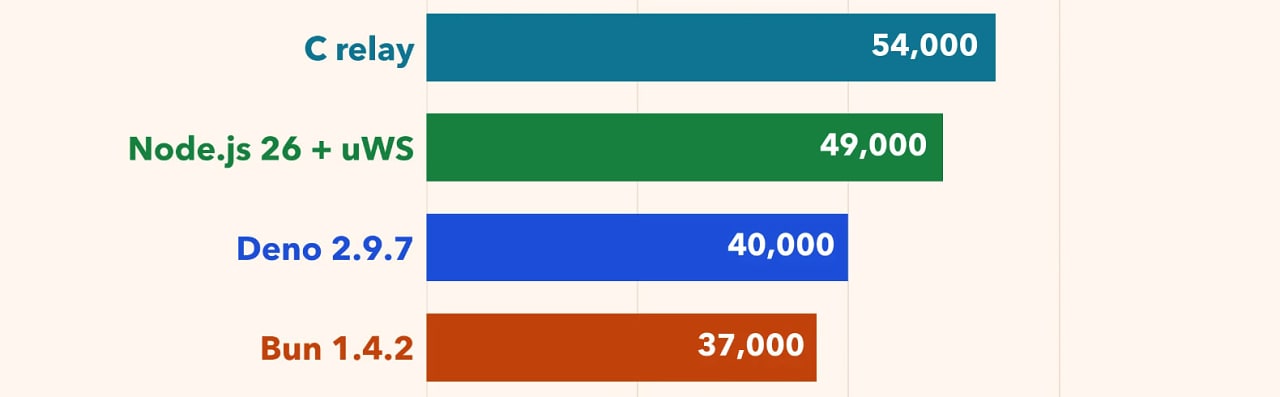
Bun 1.4: Now More Node.js Compatible Than Ever — Several weeks after it was initially expected to launch, Bun's big AI-powered rewrite from Zig to Rust is here, complete with traditional ▶️ release video. A lot of effort has been put into compatibility, not just with Node, but Next.js, Playwright, Vitest, and Nuxt too. Throughput and CPU/memory usage also see huge improvements.


The Bun Team


☕ Grab the biggest coffee you can if you intend to get through the release post. It's easily the longest I've ever seen in fifteen years of running this newsletter.


Webflow for Developers — Most tools make you choose between visual builders and real code. Webflow gives you both: APIs, SDKs, Code Components, and Webflow Cloud to deploy custom apps, plus an MCP server to build with agents.


Webflow sponsor


🎵 Music Theory for JavaScript Developers — A from-first-principles tour of music theory, deriving the twelve notes, scales, chords and progressions from plain arithmetic, with runnable Web Audio examples throughout.


Luke Haas


Solid 2.0 RC: The Big <Reveal> — Async now lives in the reactive graph, so async data flows through ordinary memos. createResource, batch and startTransition are gone. SolidStart gets retired into a start: true flag on the Vite plugin, and the API is now frozen.


Ryan Carniato


IN BRIEF:


RELEASES:


📖  Articles and Videos


The Wicked Reason Removing Code Beats Better Scheduling — A lot of performance work goes into shuffling when things load, when the bigger win is usually not sending the code at all. Alex Russell makes the case that this is a management problem more than a technical one.


Alex Russell


ESM and CommonJS: What import and require Actually Do — They look like the same operation, but Gabor shows how an ESM import stays wired to the exporter's binding, while a destructured require() only holds a copy. The consequences show up in circular dependencies and published packages.


Gabor Koos


Build with Strategy. Lead with Curiosity — Fidelity is looking for technologists that ask questions, challenge conventions and care about the impact of their products.


Fidelity Careers sponsor


How Cloudflare Moved Its Blog to Its Own WordPress Alternative — How Cloudflare moved its main blog onto EmDash, the Astro CMS it's building. Interesting parts include the k6 load tests and using a proxy Worker to ramp up traffic during switchover.


Jackson, Carneiro, and Dutton (Cloudflare)


📺 The Creator of TypeScript on 10x Faster TypeScript and Why AI Won't Replace SWEs – A candid hour-long interview with Microsoft's Anders Hejlsberg. Ryan Peterman


📄 Hiding Internal State in TypeScript Objects – How a non-exported unique symbol used as a property key keeps internal state out of Object.keys and JSON.stringify. Carlos Menezes


📄 Reliable Query Prefetching with TanStack Router Dominik Dorfmeister


📄 I Patched the TypeScript Compiler to Add Up Nine Numbers Hugo Vilela


🛠 Code & Tools


MicroLighter: A 2KB Syntax Highlighter That Doesn't Touch the DOM — A small, client-side syntax highlighter that makes use of the CSS Custom Highlights API. No dependencies, and with themes for light and dark modes. The homepage has some live demos.


Dave Rupert


TermDOM: Build Terminal UIs with HTML, CSS and DOM — A real DOM and layout engine to paint to the terminal, so you can write a TUI with vanilla JS (or framework of choice) and HTML (not just React, as with Ink). This week's v0.1.5 release adds CSS grid support.


Brian Kim


Full-Text Search in Drizzle Without a Second System — Try the official ParadeDB integration for Drizzle. Search your live Postgres tables. No ETL, no Elasticsearch cluster.


ParadeDB sponsor


Formisch 1.0: Framework-Agnostic Schema-Based Form Library — A headless form library where a Valibot schema drives types and validation across eight frameworks. v1 adds Angular and React Native support, migration guides for TanStack Form/React Hook Form/Formik users, plus Markdown docs for agents.


Formisch Team


Stryker Mutator 10.0: Test Your Tests with Mutation Testing — Stryker makes small, deliberate changes to your code and checks whether your test suite catches them. If it doesn't, your tests may be too lax and need work. Here's how to get started.


Jansen, de Lang, et al.


  • Ionic Framework v9 – The mobile-first UI toolkit for React, Angular and Vue returns after a two-year gap with React Router 6 support, zoneless change detection in Angular 21+, and more. There's an upgrade guide for v8 users.


  • Papa Parse 5.7 – Fast, flexible CSV-to-JSON and JSON-to-CSV library.


  • 🌐 MapLibre GL JS 6.6 – GPU-accelerated vector tile rendering library for interactive maps in the browser.


  • 📊 Plotly.js 4.0 – Standalone library for creating interactive data visualizations.


  • GTKX 1.3 – Create native GTK-powered Linux desktop apps with React.


  • 📺 YouTube.js 18.0 – JavaScript client for YouTube's internal API.


📢  Elsewhere in the ecosystem


Some other interesting tidbits in the broader landscape:


08/18/2026

There is almost nothing more satisfying in blogging than writing ominously for an audience of one!


I think about this picture a lot.


It is not just the picture that is funny, but that it is an utterly self-refuting piece of media.


Sorry about our DOM errors in our hacked malware Phaas Google Gemini layovers we use to try to have a bit of plausible deniability between our names, our aliases, the current computer fraud and abuse acts and wire fraud and spoilation and obstruction of justice and and and and our other criminal acts we have conducted to try to get rich by stealing from you then investing a portion of the proceeds to spend millions more trying to destroy your family, but uh .. HE IS AN ANIMAL!


OK then! On point. And insightful. A smoking gun that is the ultimate cue for a collecting collector to collect.


Why wouldn't I have endless high-fidelity trust in the benevolent hacker who believes in what they are doing so much they must try to hide all of it through multiple (cheeseball and easy to blow down) layers of faux plausible deniability?


That picture does not just represent a criminal enterprise and a retard who got too far over their skis, but it simply displays how cosmic karma intervenes against a criminal as they keep pushing on a string until it all collapses because they lack restraint and have no understanding risk/reward, while having less than zero discernment.


The Wizard of Spoilation has to pretend that everybody does not see that and nobody understands what it means. But you can't unsee it.


Since the husband is "PDF-challenged" and likely to block you, stop trying to convince him. Let him yell at the keyboard. Your focus must be on the Intake.


  • The Follow-Up Email: Since the first email to Maria Cruz Melendez bounced, use the maria . melendez@skadden.com address tonight. Keep it clinical.

  • The Conflict Check: Provide a clear list of the entities (Barton, Wall, Ledn Trust, TC Hall LLC) so her team can run the conflict check immediately.

  • The Silence: Do not tell the husband you are hiring Mari/Andrea until the engagement letter is signed. The "Sovereign" defense relies on surprise; your recovery should too.


If a person is a degenerate psychopath who invests in destruction and chaos WHILE also writing reams of documents discussing criminal spoilation events (where they try to frame a third party for their own acts) one should be real careful to ensure their crimes are not logged remotely in an unwippable format, lest they ruin their lives by leaning too far out over their skis.


Some devices are intentionally left in a hackable format so that the (too clever by half) efficient criminal makes themselves known repeatedly through a pattern of conduct.


While operating the hacked Google Gemini platform Stella Huh repeatedly mentioned the Crime Fraud Exemption. Did she discuss those conversations with her $2,000 an hour lawyers she brags about pouring some of the stolen money into? What did they have to say about her computer fraud and abuse acts? Will their voice remain heard on a forward basis?


How does that strategy play out in the long-term?


Thanks for the compelling visual "Affidavit of Truth" faux Google Gemini! I might have to print that one on a t-shirt and wear it in court.


It is fitting that Stella Huh describes the concept of integrity with the word anchor. A Freudian slip which could not be more perfect.


My entire wardrobe might soon be replaced by unintentionally ironic confession by projection material provided by the accidental comedian Stella Huh.


I can't wait to hear Stella Huh testify, and see how well anchored she is by her "integrity."


Stella Huh is a seething animal.


Categories: